January 2026 turned out to be a remarkable month for IPO investors in India. Several…
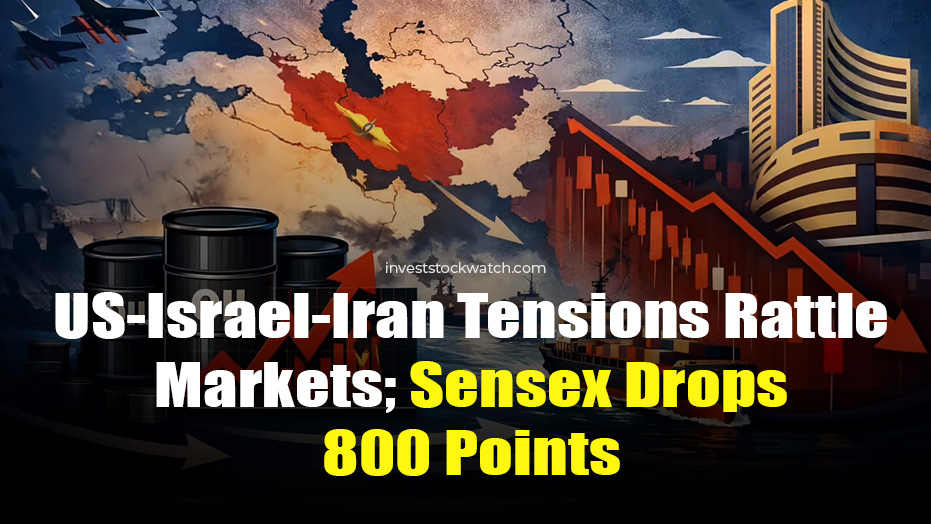
US-Israel-Iran Tensions Rattle Markets; Sensex Drops 800 Points
Escalating tensions in West Asia following fresh military action involving the United States, Israel and Iran on 2 March 2026 have triggered sharp volatility across global financial markets. Indian equities reacted strongly to the geopolitical shock, with the Sensex falling nearly 800 points during intraday trade and the Nifty slipping close to 24,950, reflecting growing investor anxiety.
The sudden rise in geopolitical uncertainty has sparked concerns over energy supply disruptions, particularly crude oil shipments from the Middle East. Brent crude prices surged sharply amid fears of supply constraints and potential blockades in key shipping routes. For India, which imports a significant portion of its crude requirements, higher oil prices could widen the trade deficit and increase inflationary pressures.
Market participants fear that sustained geopolitical conflict could push crude prices above critical thresholds, impacting sectors such as aviation, paint, chemicals and logistics. Oil marketing companies may also face margin pressure if price volatility continues. Investors moved towards defensive sectors such as FMCG and pharmaceuticals, while banking, auto and capital goods stocks saw notable declines.
Global markets also witnessed turbulence. US indices fluctuated amid concerns that prolonged instability could disrupt supply chains and add to already fragile global growth conditions. Rising oil prices may further complicate inflation management efforts by central banks, especially at a time when interest rate trajectories remain uncertain.
For Indian exporters, the situation presents mixed implications. While a weaker rupee could benefit IT and pharma exporters, rising shipping and raw material costs may weigh on profitability for manufacturing sectors. Businesses dependent on global supply chains are closely monitoring freight rates and insurance premiums, which often rise during periods of geopolitical stress.
Investors are now focused on three key factors: the duration of the conflict, the trajectory of crude oil prices, and any potential policy response from global central banks. If tensions escalate further, risk-off sentiment could persist, leading to continued volatility in equities and commodities.
Analysts advise investors to avoid panic selling and instead assess portfolio exposure to oil-sensitive sectors. Historically, Indian markets have recovered from geopolitical shocks once clarity emerges. However, in the near term, heightened volatility is expected to remain a defining feature of market movement following the developments of 2 March 2026.

Related Posts